A roof is more than just the top layer of your home — it’s a critical line of defense against weather, water, and external damage. Proper roof installation ensures long-term protection, energy efficiency, and structural integrity. Whether you are building a new home or replacing an old roof, understanding the process, materials, and techniques is essential. In this guide, we explore the key considerations for roof installation, including types of materials, installation steps, common mistakes to avoid, and tips for maximizing lifespan. With the right knowledge, you can ensure your roof not only performs well but also enhances the value and comfort of your property.
1. Understanding Roof Installation
Roof installation is a multi-step process that begins with careful planning and ends with a structurally sound, weather-resistant covering. It involves selecting materials, preparing the roof deck, installing underlayment, and finalizing with shingles, tiles, or other materials. Improper installation can lead to leaks, insulation problems, or early deterioration.
2. Types of Roofing Materials
-
Asphalt Shingles: Affordable, versatile, and widely used; they offer good protection against weather conditions.
-
Metal Roofing: Durable, fire-resistant, and energy-efficient; ideal for long-term investment.
-
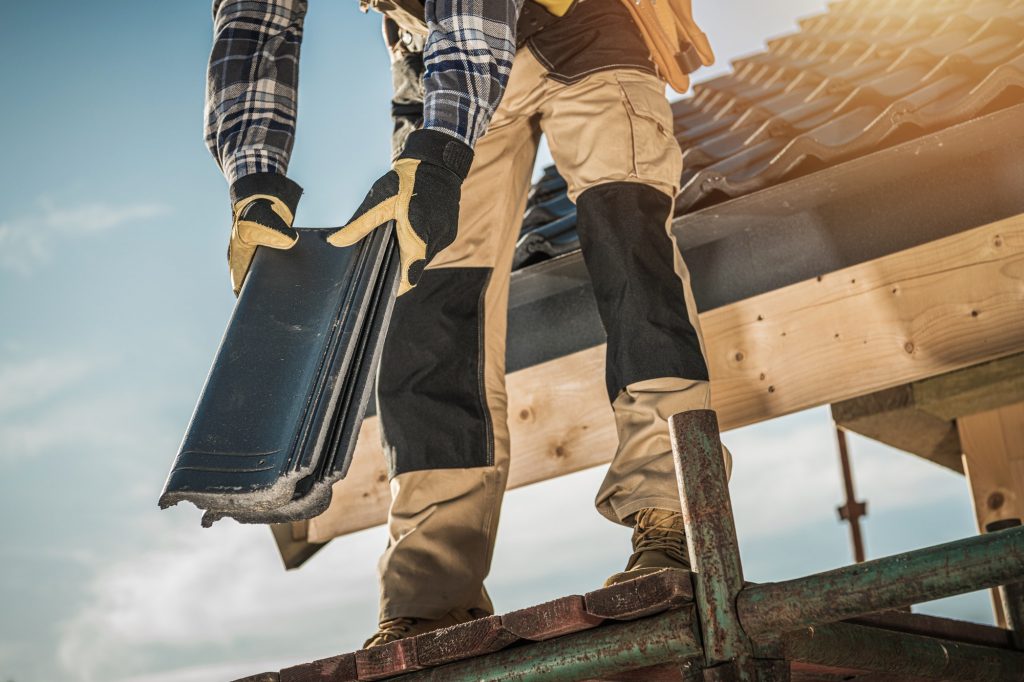
Tile Roofing: Clay or concrete tiles offer elegance, long life, and weather resistance.
-
Slate Roofing: Extremely durable and visually appealing but expensive and heavy.
-
Flat Roofing Materials: Common for commercial buildings; includes rubber (EPDM), TPO, and modified bitumen.
3. Key Steps in Roof Installation
-
Inspection and Preparation: Check the existing roof deck for damage. Remove old roofing if necessary.
-
Installing Underlayment: Provides an extra layer of protection against moisture and weather.
-
Installing Flashing: Protects joints, chimneys, vents, and edges from water infiltration.
-
Roof Covering Installation: Lay shingles, tiles, or metal panels with proper alignment and spacing.
-
Final Inspection: Ensure proper ventilation, no gaps, and full adherence to safety standards.
4. Common Mistakes in Roof Installation
-
Incorrect nailing or fastener placement
-
Poor underlayment installation
-
Ignoring ventilation requirements
-
Overlooking flashing and sealing around roof penetrations
5. Tips for Maximizing Roof Longevity
-
Schedule regular inspections and maintenance
-
Clean gutters and remove debris
-
Address minor leaks promptly
-
Trim overhanging tree branches to prevent damage
-
Use quality materials and hire professional installers
6. Benefits of Professional Installation
-
Warranty and assurance of workmanship
-
Proper handling of structural considerations
-
Better energy efficiency and insulation
-
Reduced risk of leaks and long-term damage
Conclusion & Call to Action
Investing in proper roof installation ensures your home or business remains protected for decades. Choosing the right materials and professional installation can save money, improve energy efficiency, and enhance the aesthetic appeal of your property. For expert guidance and reliable roof installation services, contact a certified roofing professional today and secure a roof built to last.