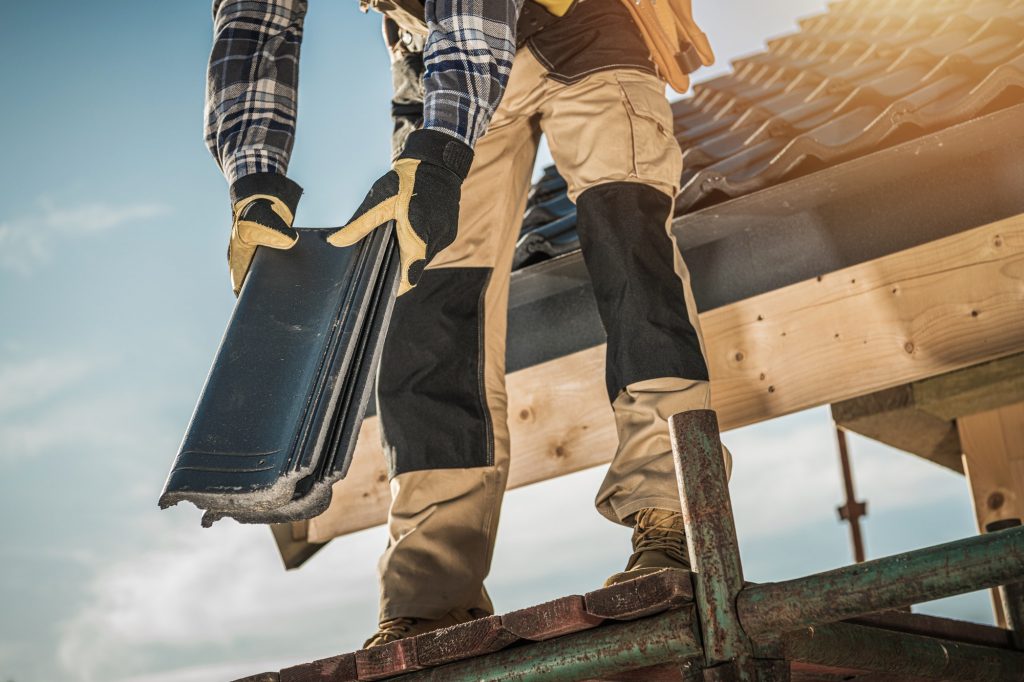
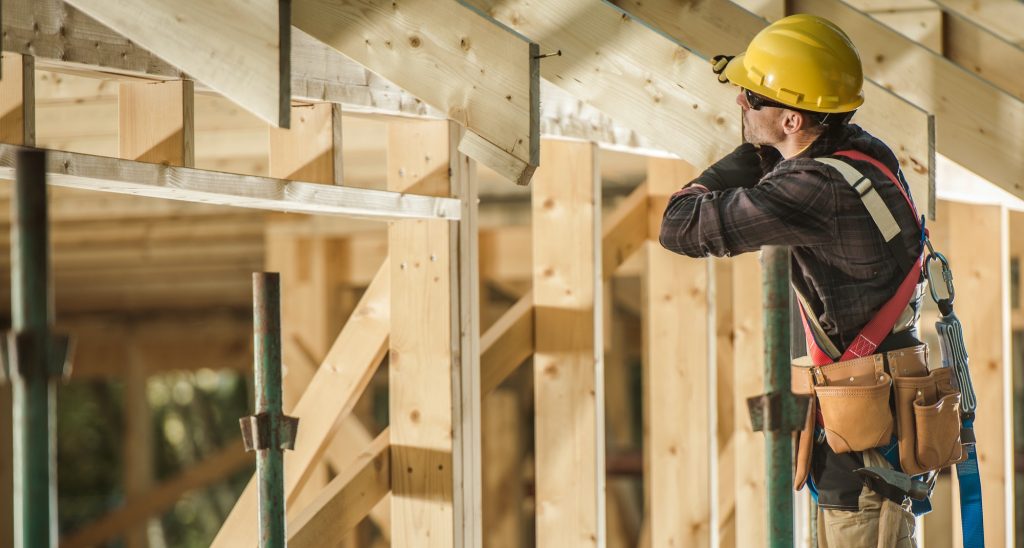
Your roof is constantly exposed to the elements, making it one of the most critical components of your home or business. Over time, even the most durable roofs can develop issues that, if left unaddressed, may lead to costly repairs or structural damage. From leaks and missing shingles to sagging areas and ventilation problems, understanding common roofing issues is essential for maintaining a safe, durable, and energy-efficient property. In this guide, we’ll explore the most frequent roof problems, their causes, and practical solutions to address them. Armed with this knowledge, property owners can prevent small problems from becoming major headaches and extend the lifespan of their roofing system.
1. Leaks and Water Damage
One of the most common roof problems is water leakage. Leaks can result from broken or missing shingles, damaged flashing, or poorly sealed roof penetrations. Water intrusion may lead to mold growth, rotting wood, and interior damage.
Solution:
-
Inspect shingles and replace damaged or missing pieces.
-
Check flashing around chimneys, vents, and skylights.
-
Apply waterproof sealants where necessary.
-
Schedule professional inspections for hidden leaks.
2. Missing or Damaged Shingles
Shingles can become loose or damaged due to storms, high winds, hail, or aging. Missing shingles reduce a roof’s protective capability and can cause further water damage.
Solution:
-
Replace missing or cracked shingles promptly.
-
Ensure proper installation with secure nailing patterns.
-
Use high-quality shingles for better durability.
3. Sagging Roof
Sagging indicates a structural problem in the roof deck or support system, often caused by water damage, heavy snow, or inadequate support.
Solution:
-
Identify the cause of sagging immediately.
-
Reinforce or replace damaged roof decking and structural supports.
-
Consult a professional contractor for major structural issues.
4. Poor Ventilation
Inadequate ventilation can lead to excessive heat and moisture buildup in the attic, causing shingles to deteriorate and energy bills to rise.
Solution:
-
Install ridge vents, soffit vents, or attic fans to improve airflow.
-
Ensure vents are not blocked by insulation or debris.
-
Maintain a balanced ventilation system to prevent damage.
5. Ice Dams (in colder climates)
Ice dams form when melting snow refreezes at the roof edge, causing water to back up under shingles. This can result in leaks and damage to gutters and fascia boards.
Solution:
-
Improve attic insulation to prevent uneven roof temperatures.
-
Install ice and water shields during roof installation.
-
Remove snow safely from the roof using proper tools.
6. Mold, Algae, and Moss Growth
Moisture retention on the roof can lead to algae, mold, or moss growth, which may discolor shingles and trap water, causing deterioration.
Solution:
-
Clean the roof using professional-grade treatments.
-
Trim nearby trees to reduce shade and moisture retention.
-
Install zinc or copper strips along the roof ridge to inhibit growth.
7. Cracked or Damaged Flashing
Flashing is critical for sealing roof joints, vents, and chimneys. Cracks or loose flashing can allow water penetration, damaging the roof structure.
Solution:
-
Inspect and repair or replace damaged flashing regularly.
-
Seal joints with appropriate waterproof materials.
-
Hire professionals for areas difficult to access safely.
8. Gutter Problems
Clogged or damaged gutters can cause water to back up onto the roof or pool around the foundation, leading to leaks and water damage.
Solution:
-
Clean gutters regularly and remove debris.
-
Repair or replace broken gutter sections.
-
Ensure proper slope for effective drainage.
9. Punctures and Physical Damage
Falling branches, hail, or heavy foot traffic can cause punctures in the roofing material, compromising its integrity.
Solution:
-
Inspect for physical damage after storms.
-
Replace or patch punctured areas using appropriate materials.
-
Consider impact-resistant roofing for high-risk areas.
10. Aging Roof
All roofs have a lifespan, and aging materials can become brittle, cracked, or prone to leaks.
Solution:
-
Schedule regular inspections, especially after 15–20 years.
-
Replace roofing systems that show widespread deterioration.
-
Upgrade materials to more durable options if needed.
Preventive Tips to Avoid Roof Problems
-
Conduct semi-annual inspections in spring and fall.
-
Remove debris, leaves, and branches promptly.
-
Maintain proper attic insulation and ventilation.
-
Address minor issues immediately to prevent escalation.
-
Hire professional roofing contractors for complex repairs.
Conclusion & Call to Action
Roof problems can occur unexpectedly, but proactive maintenance, timely repairs, and professional expertise can prevent costly damage and extend the life of your roof. By understanding common issues such as leaks, damaged shingles, poor ventilation, and structural problems, property owners can take informed steps to protect their homes or businesses. For reliable inspection, repair, and maintenance services, contact a certified roofing professional today and ensure your roof remains safe, durable, and long-lasting.